Top Video: Big Air Kitesurfing in Guriú / Brasilien (Jeri)
Impressionen vom „The BIG Break Bakl kitesurfing competition“ in Guriú, Brasilien, in October 2024. Der


The phrase is deeply embedded in Romanian daily life, appearing in various social scenarios:
: Parents often tell children "Ai să vezi că o să fie bine" (You'll see it will be okay) to soothe anxiety.
: By saying "Ai să vezi," the speaker positions themselves as someone with "insider knowledge" or a better understanding of the future.
"Ai să vezi" (translated as "You're going to see") is a Romanian phrase used to express anticipation, surprise, or a forthcoming revelation. Since you've requested a report on this specific topic, the following overview explores its linguistic nuances, cultural usage, and psychological impact.
🚀 : "Ai să vezi" is more than just a literal statement about vision; it is a powerful linguistic tool for managing expectations, building tension, and asserting the inevitability of time.
The expression "Ai să vezi" is a versatile Romanian phrase typically used to promise a future outcome or to hint that the listener will eventually understand a situation that currently seems unclear. It functions as both a casual reassurance and a dramatic foreshadowing tool.
: It uses the future tense ("vei vedea") in a more colloquial, periphrastic form ( ai să + infinitive/subjunctive).
 Aktuelles
The phrase is deeply embedded in Romanian daily life, appearing in various social scenarios:
: Parents often tell children "Ai să vezi că o să fie bine" (You'll see it will be okay) to soothe anxiety. Ai sa vezi
: By saying "Ai să vezi," the speaker positions themselves as someone with "insider knowledge" or a better understanding of the future. The phrase is deeply embedded in Romanian daily
"Ai să vezi" (translated as "You're going to see") is a Romanian phrase used to express anticipation, surprise, or a forthcoming revelation. Since you've requested a report on this specific topic, the following overview explores its linguistic nuances, cultural usage, and psychological impact. Since you've requested a report on this specific
🚀 : "Ai să vezi" is more than just a literal statement about vision; it is a powerful linguistic tool for managing expectations, building tension, and asserting the inevitability of time.
The expression "Ai să vezi" is a versatile Romanian phrase typically used to promise a future outcome or to hint that the listener will eventually understand a situation that currently seems unclear. It functions as both a casual reassurance and a dramatic foreshadowing tool.
: It uses the future tense ("vei vedea") in a more colloquial, periphrastic form ( ai să + infinitive/subjunctive).

Impressionen vom „The BIG Break Bakl kitesurfing competition“ in Guriú, Brasilien, in October 2024. Der

Unbedingt schauen: Der NDR schaut zurück auf 40 Jahre Windsurf Worldcup auf Sylt, und viele

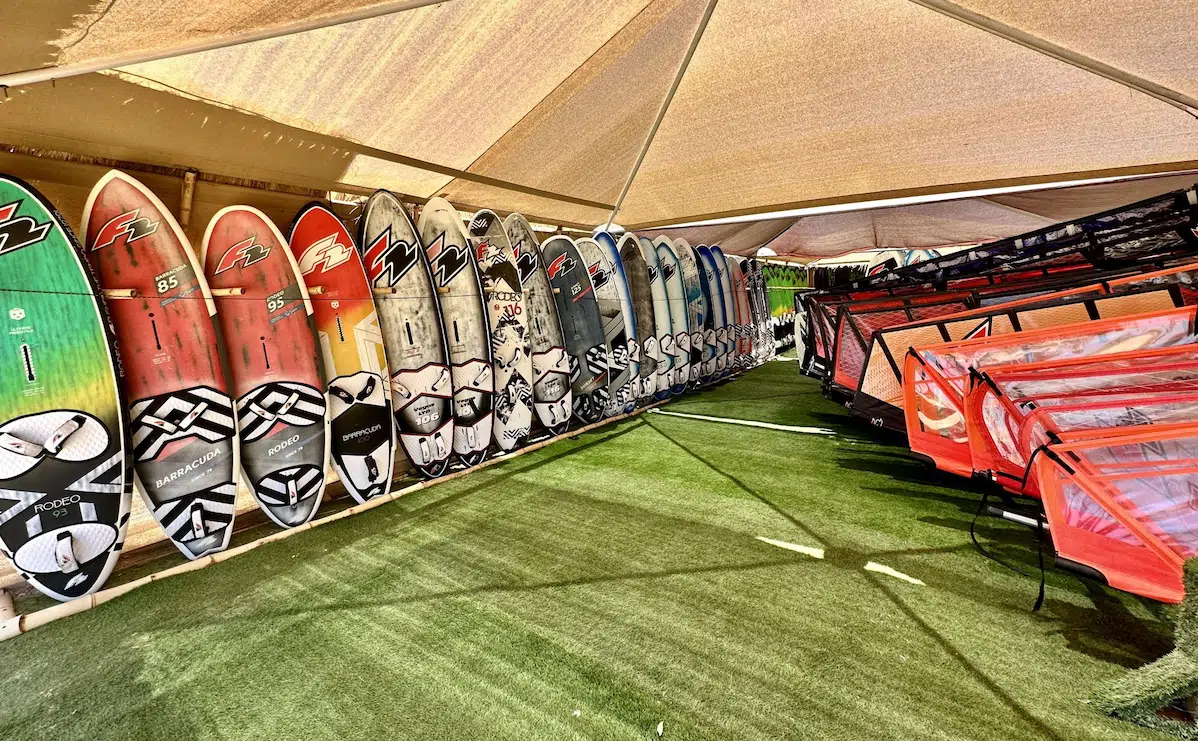
Seit Februar 2023 hat „Element Watersports“ das Center am Caribbean World Resort übernommen und bietet

Wusstest Du, dass die Passatzone im Jahresverlauf in Nord-Süd-Richtung wandert? Das hat mit dem Sonnenstand