| Order Now | About Us | Shipping | HOME | Contact Us | Prices |
| AUDIO MENU | |
| • | Amplifiers |
| • | Beatmachines |
| • | Cables & Wiring |
| • | Cartridges |
| • | Cases & Racks |
| • | CD Players |
| • | CD Recorders |
| • | Compressors |
| • | Crossovers |
| • | Digital DJ Gear |
| • | DJ Tools |
| • | Equalizers |
| • | Electronic Drum Kits |
| • | Headphones |
| • | Karaoke |
| • | Keyboards |
| • | Microphones |
| • | MIDI Controllers |
| • | Mixers |
| • | Needles |
| • | Packages |
| • | Power Conditioners |
| • | Samplers |
| • | Slipmats |
| • | Software |
| • | Software Controllers |
| • | Sonic Maximizers |
| • | Sound Cards |
| • | Sound Effects |
| • | Speakers |
| • | Turntables |
| • | Video Gear |
| • | Voltage Converters |
|
 |

|
|||||||||||
| 2201 S. Union • Chicago, IL 60616 Phone: 312-846-6192 • Fax: 312-492-8949 SE HABLA ESPANOL  |
|||||||||||||


Arisaka «TRENDING - ANTHOLOGY»
: Unlike the "lands and grooves" of Western rifles, Arisakas used polygonal rifling to reduce barrel wear. Modern Ownership & Collector Info
The is a family of Japanese bolt-action military rifles used from the late 19th century through the end of World War II. Renowned for having some of the strongest actions among bolt-action service rifles, they were the primary infantry weapons of the Imperial Japanese Army (IJA). Core Specifications & Variants Arisaka
: Designed to protect the action from dirt and mud in tropical environments, though soldiers often discarded them because they were noisy. : Unlike the "lands and grooves" of Western
The design was led by and influenced by the German Mauser pattern. Type 38 (Standard) Type 99 (Short Rifle) Years Produced 1905–1945 1939–1945 Total Production ~3.4 million ~3.5 million Cartridge 6.5×50mmSR Arisaka 7.7×58mm Arisaka Action Bolt-action, 5-round internal magazine Bolt-action, 5-round internal magazine Unique Features Long barrel for accuracy; dust cover Chrome-lined bore; folding "anti-aircraft" sights Key Design Characteristics Core Specifications & Variants : Designed to protect
: Post-war testing proved Arisaka receivers were significantly stronger than contemporary rifles like the American M1903 Springfield or German Mauser.

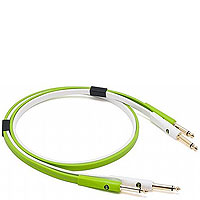 OYAIDE 1/4 - 1/4 CABLES
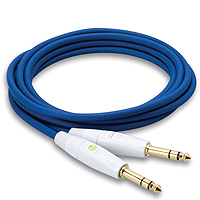 HOSA 1/4 - 1/4 CABLES
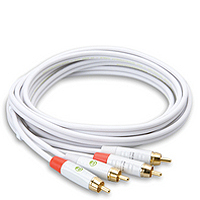 HOSA RCA - RCA CABLES
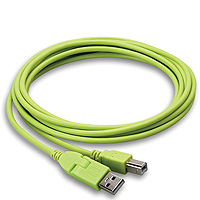 HOSA USB CABLES
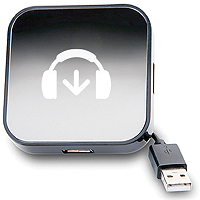 HOSA USB PORT
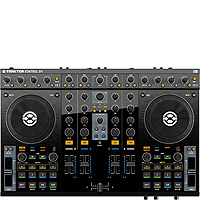 Kontrol S4 - $799.99
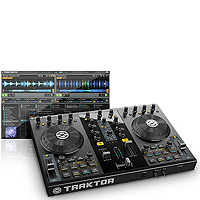 Kontrol S2 - $499.99
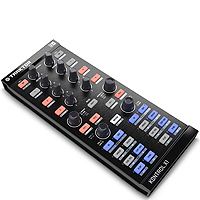 Kontrol X1 - $199.99
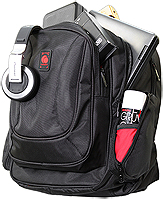 DJ Bags start at $69.99
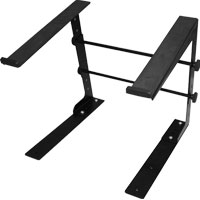 Laptop Stands start at $29.99
| LIGHTS MENU | |
| • | Beacons |
| • | Black Lights |
| • | Bubble Machines |
| • | Centerpiece Effects |
| • | Clamps |
| • | Flame Lights |
| • | Fog Machines |
| • | Fog Juice |
| • | Follow Spots |
| • | Gobo Projectors |
| • | Helicopters |
| • | Intelligent Lighting |
| • | Light Bags |
| • | LED Lights |
| • | Lasers |
| • | Lighting Controllers |
| • | Light Packages |
| • | Mirror Balls |
| • | Par Cans |
| • | Pinspots |
| • | Rope Lights |
| • | Spare Bulbs |
| • | Stands & Trussing |
| • | Strobe Lights |

