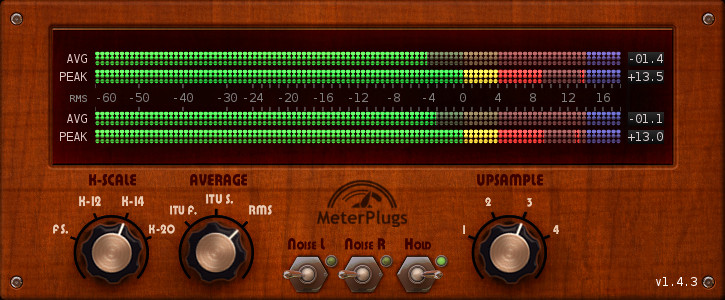
K-Meter
Mix and master like Bob Katz.
| Add to Cart |
To keep the service active, you must "top up" your account. You can do this by setting up (which often earns you a monthly discount), buying digital refills online, or purchasing physical "top-up" cards at retail stores. Conclusion
You can buy a device directly from the carrier or a big-box retailer like Walmart or Target. These phones are often "locked" to that specific carrier for a certain period (usually 6–12 months) before they can be used elsewhere. how to buy a prepaid phone
After purchasing your phone or SIM card, you must activate it. This is usually done through the carrier’s website or by calling a specific activation number included in the packaging. You will be asked to choose a phone number or "port in" your existing one. To keep the service active, you must "top up" your account
Once you’ve picked a provider, you need a phone. You generally have two paths: These phones are often "locked" to that specific
These are smaller companies like Mint Mobile, Boost Mobile, or Visible. They don't own their own towers but "rent" space from the major carriers, often passing the savings on to you with much lower monthly rates. 2. Select a Device
Buying a prepaid phone is one of the simplest ways to secure mobile service without the burden of a long-term contract or a credit check. Unlike traditional "postpaid" plans, where you pay at the end of the month for what you used, prepaid requires you to pay for your talk, text, and data upfront. The process is straightforward and can be broken down into four key steps. 1. Choose Your Service Provider
Prepaid plans are highly customizable. You should evaluate your typical data usage—if you are mostly on Wi-Fi, a 5GB or 10GB plan will suffice. If you stream video on the go, look for "Unlimited" options. Many carriers also offer "Pay-As-You-Go" plans, where you only pay for the specific minutes or messages you use, which is ideal for emergency-only phones. 4. Activation and Topping Up
Did you know that audio levels can have an affect on external hardware and even plugins? Hardware (and some plugins) are designed for specific input levels - exceeding those levels can cause unwanted distortion and a loss of quality. James Wiltshire explains how K-Meter can be used to ensure proper levels.
I purchased your K-Meter beta, and I love it. I've tried every metering plug available, and I love yours the best. Great graphics, readability, ballistics, etc. All so well done. Thanks! Tom Third (tomthird.com)
This is the meter to use if you are serious about the K-System. It is accurate, easy to read, and contains tools for calibration. In addition, the interface is neat and collapses well if necessary. Dr. Heinrich Hohl
Just shouting out a big THANK YOU!!! for the K Meter plugin - I have been looking for a dedicated meter to use with logic without having to instigate 3 or more different plugins to monitor using the K -System. I have adopted the K system into my mixes for some time now and it vastly improves dynamics and clarity in digital land! I only hope the rest of the industry gets onboard! People would not be arguing ITB vs OTB Mixing if they all used your plugin! Timothy Kling (aka. Namatoke)


 Watch "K-Metering Mixing Tips"
