PLAY NOW



Would like to revisit the classic experience with experience rates closer to the days of old? Pristontale EU maintains the original experience rate but with hundreds of quests which help fine-tune the grinding to an enjoyable level.
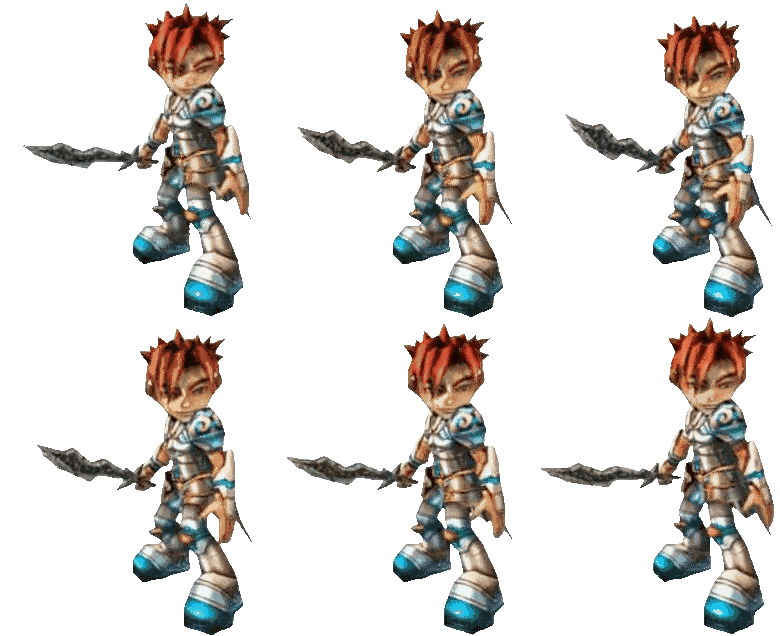
In PT.EU, you have 10 characters to engage in fast-paced battles against dozens of monsters at a time. You also summon your own monsters battle, and can even wage server-wide wars to become the greatest warrior of all!
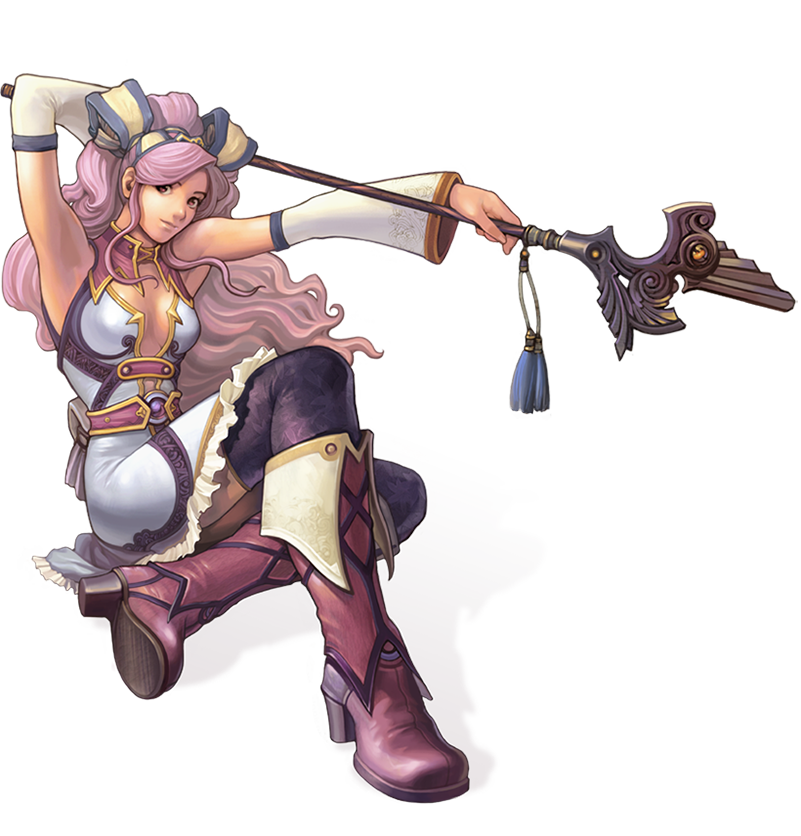
With a variety of classes to choose from, ten in total. From the magical to the physical. From support to survivability. Pick your journey carefully, keep in mind Skill Update 2.0 that will launch simultaneously with Season 3.












In more somber contexts, such as memoirs of the Nagorno-Karabakh conflict, the qaynım is often mentioned as a fellow defender. Survivors’ accounts frequently detail the struggle to protect a qaynım during retreats or the shared grief of losing one in battle, cementing the relationship as one of deep, often sacrificial, bond.
: In modern media, such as the Qurd Yağı series, the qaynım is frequently used as a character who tells exaggerated stories—like "heating up" to talk about his military service—to entertain or annoy the family. 3. Proverbs and Family Traditions
: Songs often depict the qaynım as a "comrade" or "friend" to the bride, helping her navigate the complexities of her new home.
In Turkic languages, kinship terms like qaynım are highly specific. While English uses the broad "brother-in-law," qaynım specifically refers to a . This distinction is vital in traditional household structures where the qaynım often lived under the same roof, serving as a secondary protector of the family unit. 2. A Figure in Folklore and Songs
Here is an "interesting piece" exploring the multifaceted role of the qaynım through culture and language: 1. The Linguistic Anchor
The qaynım is a staple in regional folk music (Türküler) and stories. For example:
The word (Turkish/Azerbaijani for "my brother-in-law") carries deep cultural weight in Turkic societies, often appearing in literature and folklore as a figure representing complex family dynamics, loyalty, or even comedic relief.