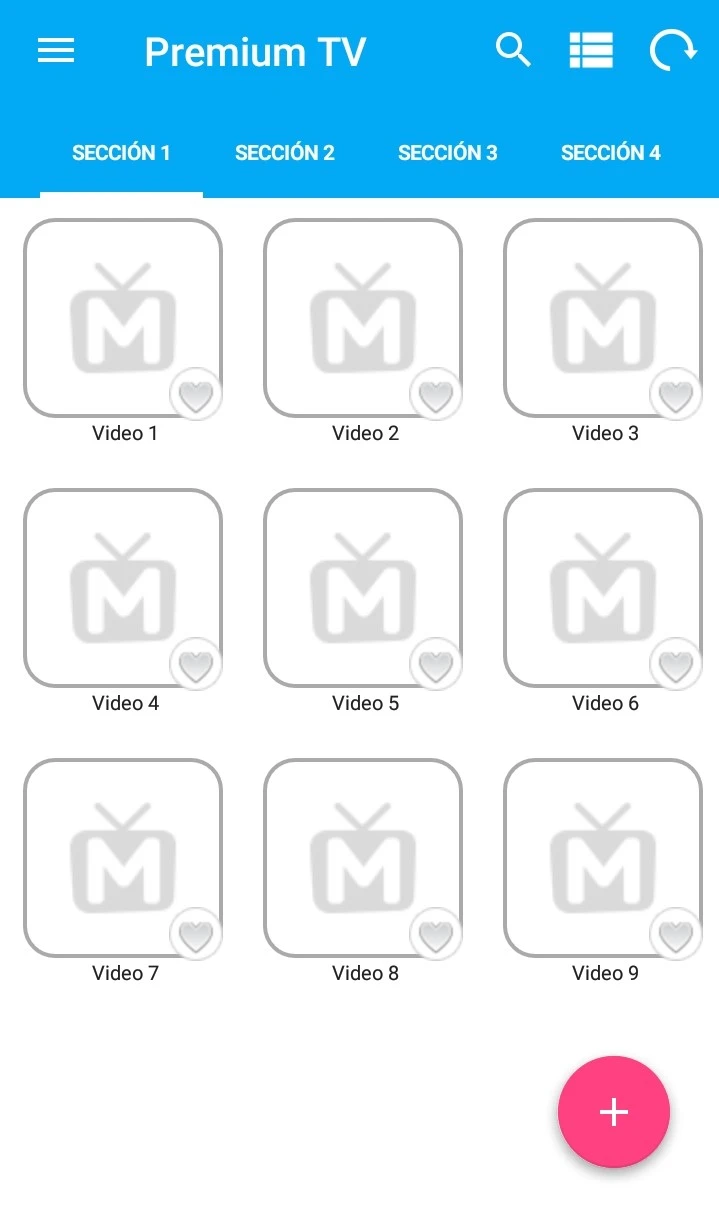
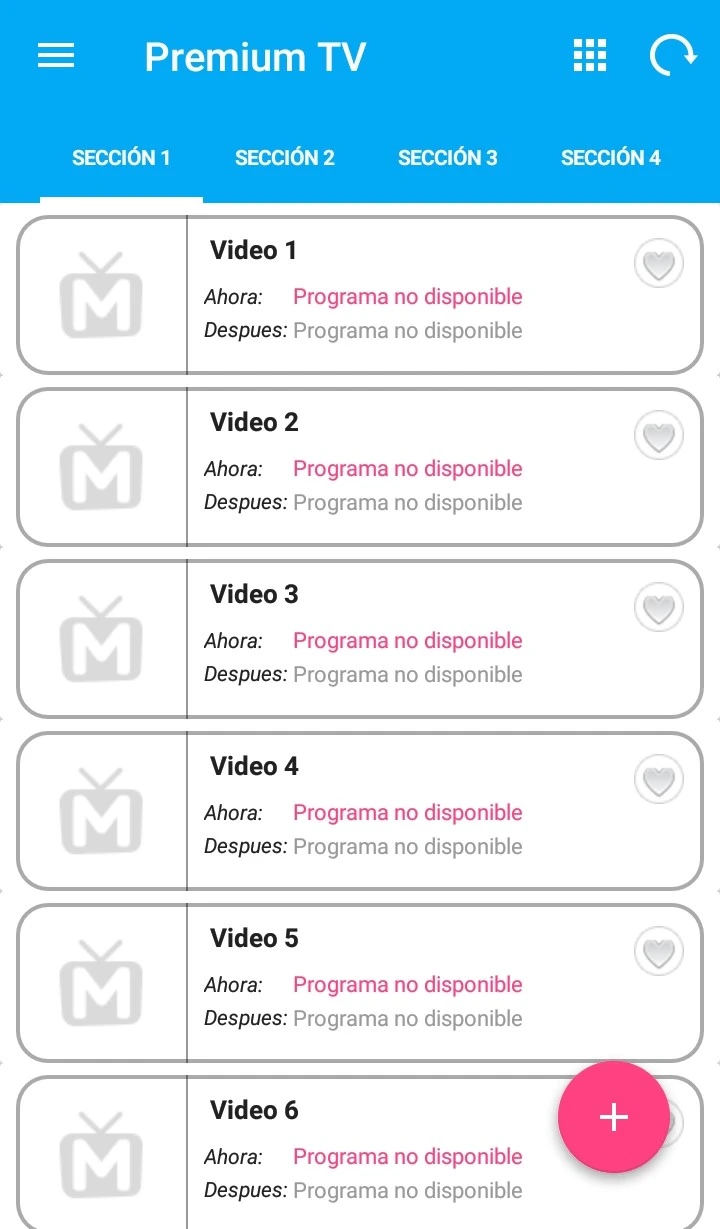
MXL TV es un reproductor multimedia. Compatible con los protocolos de vídeo streaming más populares incluyendo http, https, mms, rtsp, rtmp, etc. Carga automática de listas M3U.
Añade tu lista fácilmente en formato M3U directamente desde URL
Reproduce cualquier archivo de video con los formatos más populares de hoy en día
Filtra y encuentra rápidamente el contenido escribiendo la palabra clave
Recibe notificaciones de las novedades y mejoras de MXL TV
Estos son algunas de las características importantes de MXL TV
El diseño de MXL TV es simple y elegante para que pueda interactuar sin problemas Realtime Landscaping Architect 2013 (5.17).rar
Agrega marcando su contenido como favoritos y así encontrar fácilmente al iniciar la aplicación The file represents a specific moment in digital
Ordena el contenido de su lista M3U por nombre y categoría alfabéticamente para que puedas navegar sin preocupaciones It wasn't "cartoony" to her; it was her future
Sección dedicada para agregar, seleccionar y eliminar sus listas M3U en cualquier momento
The file represents a specific moment in digital design history—a bridge between old-school technical drafting and the immersive 3D world we see today.
When he finally showed the Sterlings the 3D walkthrough, Mrs. Sterling had gasped. It wasn't "cartoony" to her; it was her future.
He realized then that the software wasn't just a tool; it was a time machine. Every .rar file on that drive held a different version of himself—the hungry designer, the perfectionist, the dreamer. He closed the program, but he didn't delete the file. Some things, even outmoded ones, are worth keeping.
He remembered the day he first downloaded it. In 2013, 5.17 felt like magic. Before this, Elias spent his nights hunched over drafting paper, his fingers stained with graphite. Then came this software. It promised something impossible back then: a way to show a client exactly how the sun would hit their patio at 4:00 PM in July.
Elias unzipped the archive. As the progress bar crawled across the screen, he was transported back to his first big commission—the Sterling Estate. The Sterlings couldn't visualize a blueprint to save their lives. They saw lines on paper; Elias saw a sanctuary.
The extraction finished. Elias clicked the .exe . The interface was gray and utilitarian, lacking the sleek shadows of modern software, but it was fast. He loaded an old project, and there it was: a digital ghost of a garden he’d built a decade ago. The plants were pixels, and the water in the fountain looked like a repeating loop, but the soul of the design was still there.
The hard drive spun with a rhythmic click, a sound Elias hadn't heard in years. He was looking for an old client file, something from the "early days" before VR walkthroughs and AI-generated renders. Instead, he found a folder buried three levels deep: .

The file represents a specific moment in digital design history—a bridge between old-school technical drafting and the immersive 3D world we see today.
When he finally showed the Sterlings the 3D walkthrough, Mrs. Sterling had gasped. It wasn't "cartoony" to her; it was her future.
He realized then that the software wasn't just a tool; it was a time machine. Every .rar file on that drive held a different version of himself—the hungry designer, the perfectionist, the dreamer. He closed the program, but he didn't delete the file. Some things, even outmoded ones, are worth keeping.
He remembered the day he first downloaded it. In 2013, 5.17 felt like magic. Before this, Elias spent his nights hunched over drafting paper, his fingers stained with graphite. Then came this software. It promised something impossible back then: a way to show a client exactly how the sun would hit their patio at 4:00 PM in July.
Elias unzipped the archive. As the progress bar crawled across the screen, he was transported back to his first big commission—the Sterling Estate. The Sterlings couldn't visualize a blueprint to save their lives. They saw lines on paper; Elias saw a sanctuary.
The extraction finished. Elias clicked the .exe . The interface was gray and utilitarian, lacking the sleek shadows of modern software, but it was fast. He loaded an old project, and there it was: a digital ghost of a garden he’d built a decade ago. The plants were pixels, and the water in the fountain looked like a repeating loop, but the soul of the design was still there.
The hard drive spun with a rhythmic click, a sound Elias hadn't heard in years. He was looking for an old client file, something from the "early days" before VR walkthroughs and AI-generated renders. Instead, he found a folder buried three levels deep: .