Purchase the Full Version
Buy Auto Clicker on Microsoft Store

Get the full version of Auto Clicker on the Microsoft Store for a native Windows experience.


The song "Ördü Kader Ağlarını" by Yusuf Güney serves as a poignant exploration of fatalism, the permanence of loss, and the psychological weight of memory within the landscape of modern Turkish pop music. Released during a period when the genre was shifting toward more synthetic sounds, this track anchored itself in the timeless tradition of the "arabesque" spirit—the musical expression of unyielding grief and the surrender to a higher, often cruel, destiny.
Furthermore, the song deals heavily with the concept of "vefa" (loyalty/constancy). In the face of a world that moves on rapidly, the narrator remains frozen in the moment of his heartbreak. This temporal stasis is a hallmark of Turkish romanticism—the idea that true love is measured by one’s willingness to suffer long after the object of affection has departed. The "nets of fate" are also nets of time, catching the narrator in a perpetual "yesterday" while the rest of the world moves toward "tomorrow." Yusuf GГјney Г–rdГј Kader AДџlarД±nД±
At its core, the title "Ördü Kader Ağlarını" (Fate Has Spun Its Net) invokes a powerful ancient metaphor. Fate is not depicted as a path or a choice, but as a predator’s trap. The "net" suggests an intricate, inescapable web where every struggle to break free only tightens the bonds. Yusuf Güney’s vocal delivery underscores this helplessness; he does not sing with the aggression of someone fighting back, but with the weary resonance of someone who has already accepted his entrapment. The song "Ördü Kader Ağlarını" by Yusuf Güney
The lyrical narrative centers on the aftermath of a broken connection, where the silence left behind is louder than the relationship itself. The song posits that human agency is an illusion when confronted with the "kader" (fate) that governs emotional outcomes. In this worldview, the ending of a love story is pre-written. The protagonist is not a failure because of personal flaws, but because he is a victim of a cosmic design that favors separation over union. This provides a cathartic release for the listener, shifting the burden of guilt from the individual to the metaphysical. In the face of a world that moves
Musically, the arrangement mirrors this emotional entrapment. The melodic progression is cyclical, mirroring the repetitive nature of obsessive thought. Just as the lyrics describe a soul caught in a net, the music circles back to its melancholic themes, never quite finding a major-key resolution. It is a sonic representation of the "dark night of the soul," where the only company is the cold comfort of one's own destiny.
The song "Ördü Kader Ağlarını" by Yusuf Güney serves as a poignant exploration of fatalism, the permanence of loss, and the psychological weight of memory within the landscape of modern Turkish pop music. Released during a period when the genre was shifting toward more synthetic sounds, this track anchored itself in the timeless tradition of the "arabesque" spirit—the musical expression of unyielding grief and the surrender to a higher, often cruel, destiny.
Furthermore, the song deals heavily with the concept of "vefa" (loyalty/constancy). In the face of a world that moves on rapidly, the narrator remains frozen in the moment of his heartbreak. This temporal stasis is a hallmark of Turkish romanticism—the idea that true love is measured by one’s willingness to suffer long after the object of affection has departed. The "nets of fate" are also nets of time, catching the narrator in a perpetual "yesterday" while the rest of the world moves toward "tomorrow."
At its core, the title "Ördü Kader Ağlarını" (Fate Has Spun Its Net) invokes a powerful ancient metaphor. Fate is not depicted as a path or a choice, but as a predator’s trap. The "net" suggests an intricate, inescapable web where every struggle to break free only tightens the bonds. Yusuf Güney’s vocal delivery underscores this helplessness; he does not sing with the aggression of someone fighting back, but with the weary resonance of someone who has already accepted his entrapment.
The lyrical narrative centers on the aftermath of a broken connection, where the silence left behind is louder than the relationship itself. The song posits that human agency is an illusion when confronted with the "kader" (fate) that governs emotional outcomes. In this worldview, the ending of a love story is pre-written. The protagonist is not a failure because of personal flaws, but because he is a victim of a cosmic design that favors separation over union. This provides a cathartic release for the listener, shifting the burden of guilt from the individual to the metaphysical.
Musically, the arrangement mirrors this emotional entrapment. The melodic progression is cyclical, mirroring the repetitive nature of obsessive thought. Just as the lyrics describe a soul caught in a net, the music circles back to its melancholic themes, never quite finding a major-key resolution. It is a sonic representation of the "dark night of the soul," where the only company is the cold comfort of one's own destiny.
Get the full version of Auto Clicker on the Microsoft Store for a native Windows experience.
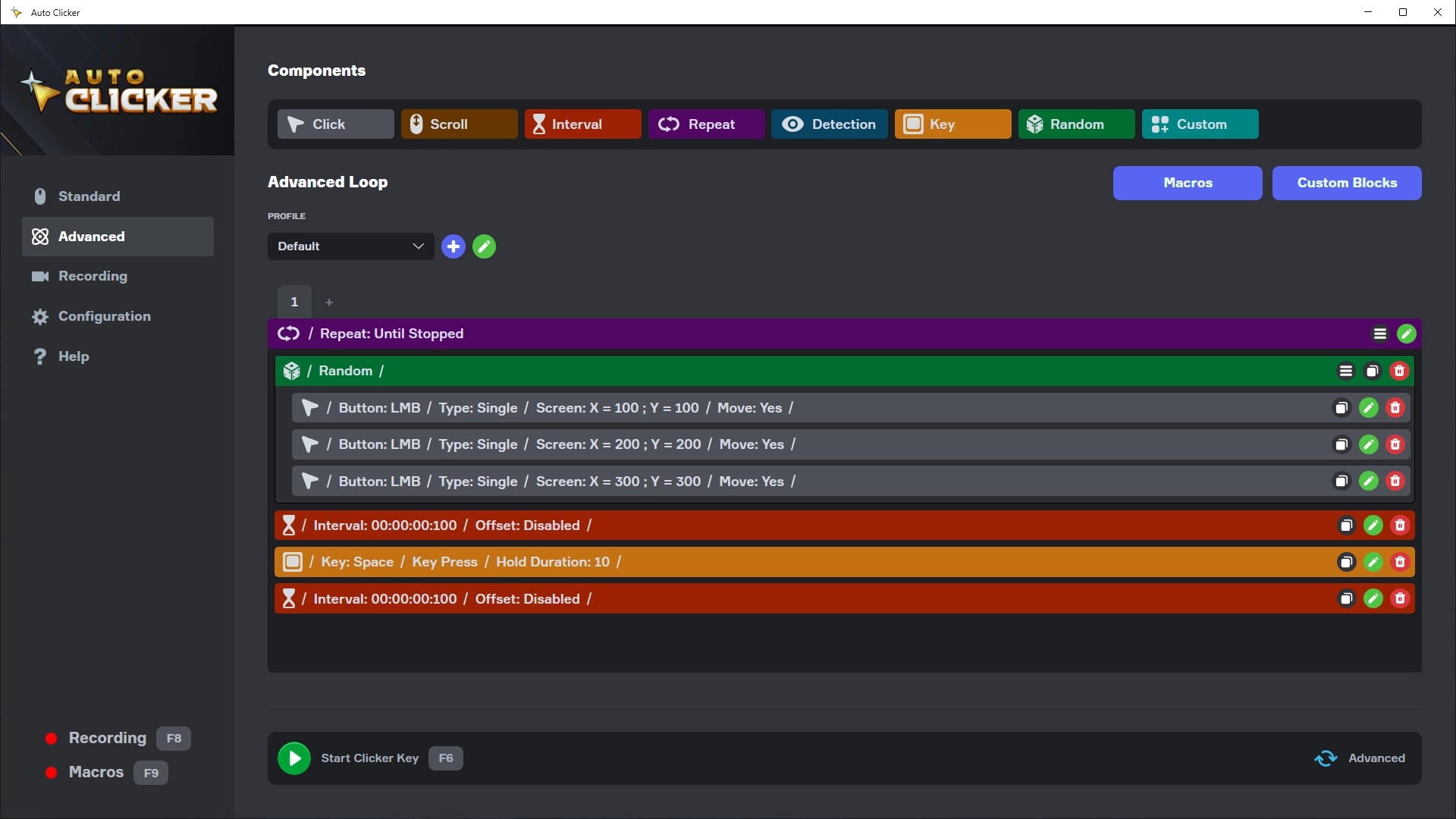
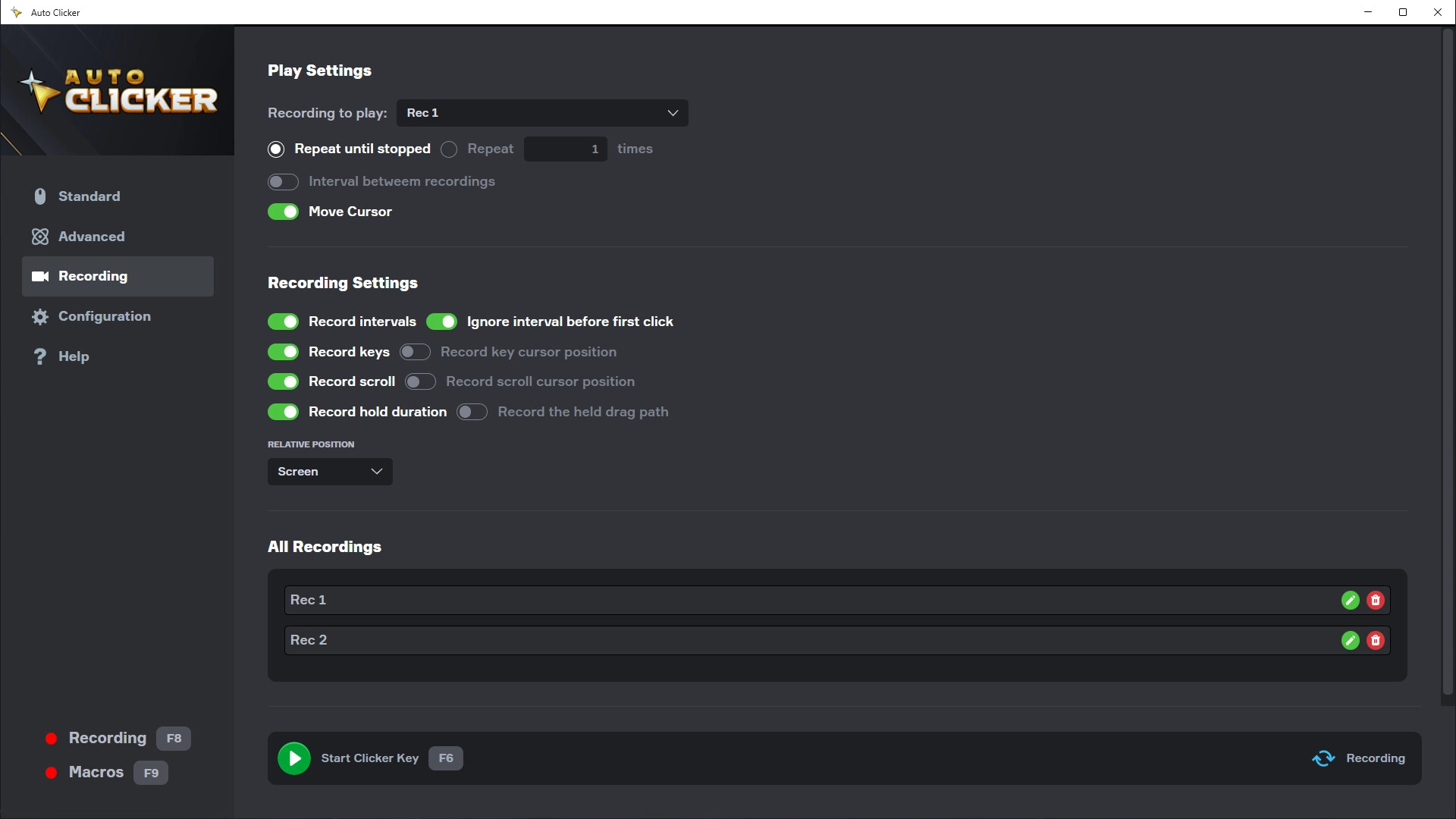


"This piece of software makes clicker/idle games SO much more comfortable to play. It's an accessibility godsend for anyone with hand problems, exhaustion issues, or just better stuff to do. 100% worth the price, so SO glad I found this."
"Best auto clicker out there! Feature rich and very easy to use an intuitive. Works great for Cookie Clicker."